

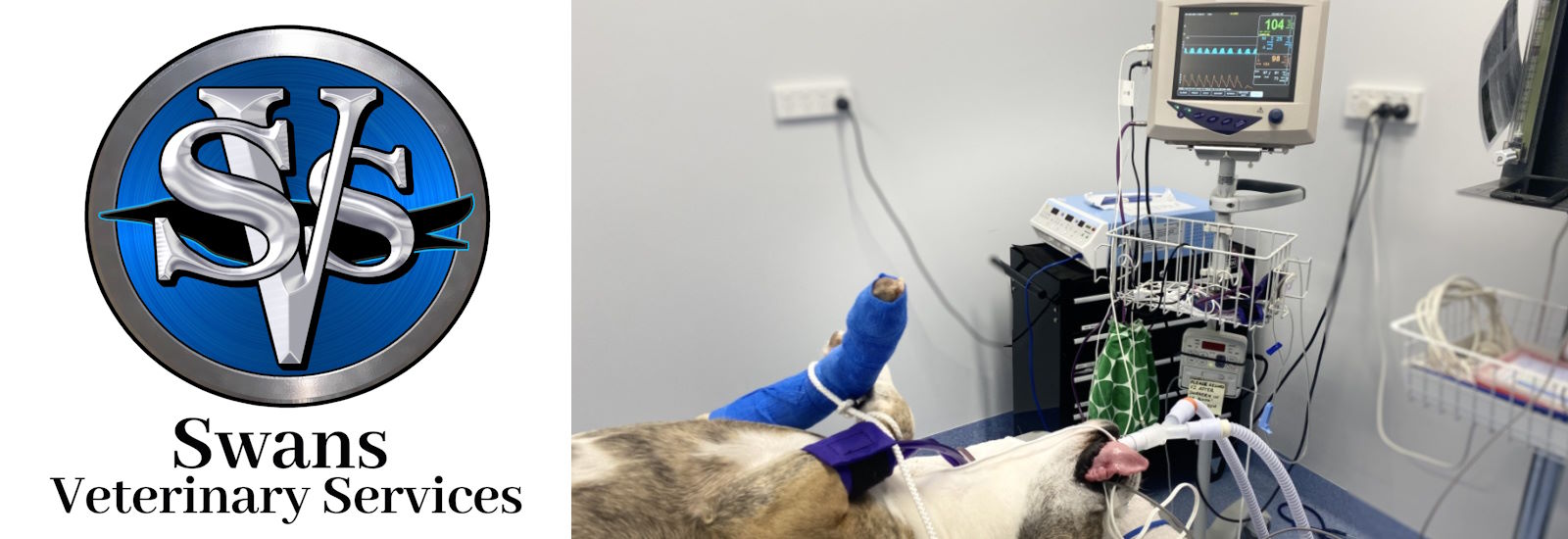
Anaesthesia plays an important role when it comes to performing surgeries and procedures on our patients. We strive to use the most up to date anaesthetic protocols including the safest anaesthetic agents and the latest monitoring equipment.
We offer preanaesthetic blood screening and use intravenous fluid therapy during surgery where necessary. All patients are closely monitored intra and post op including heart rate, oxygenation, and blood pressure. We also aim to provide the best analgesia for all patients to ensure a pain free recovery.
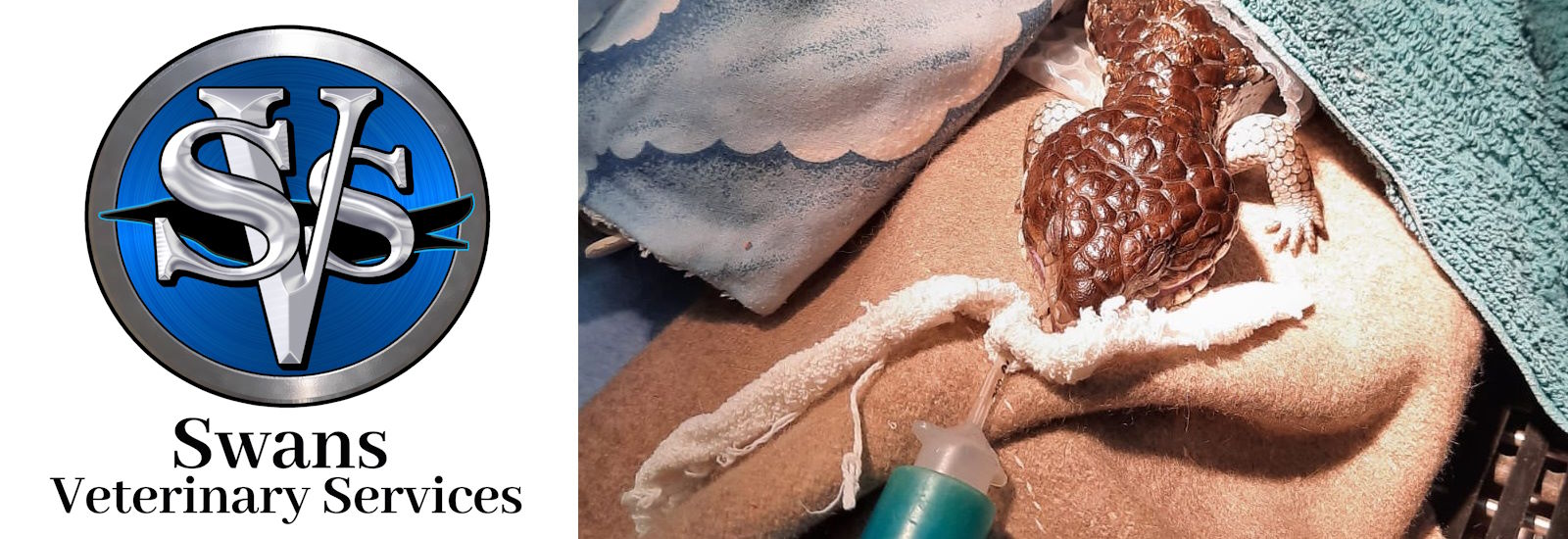
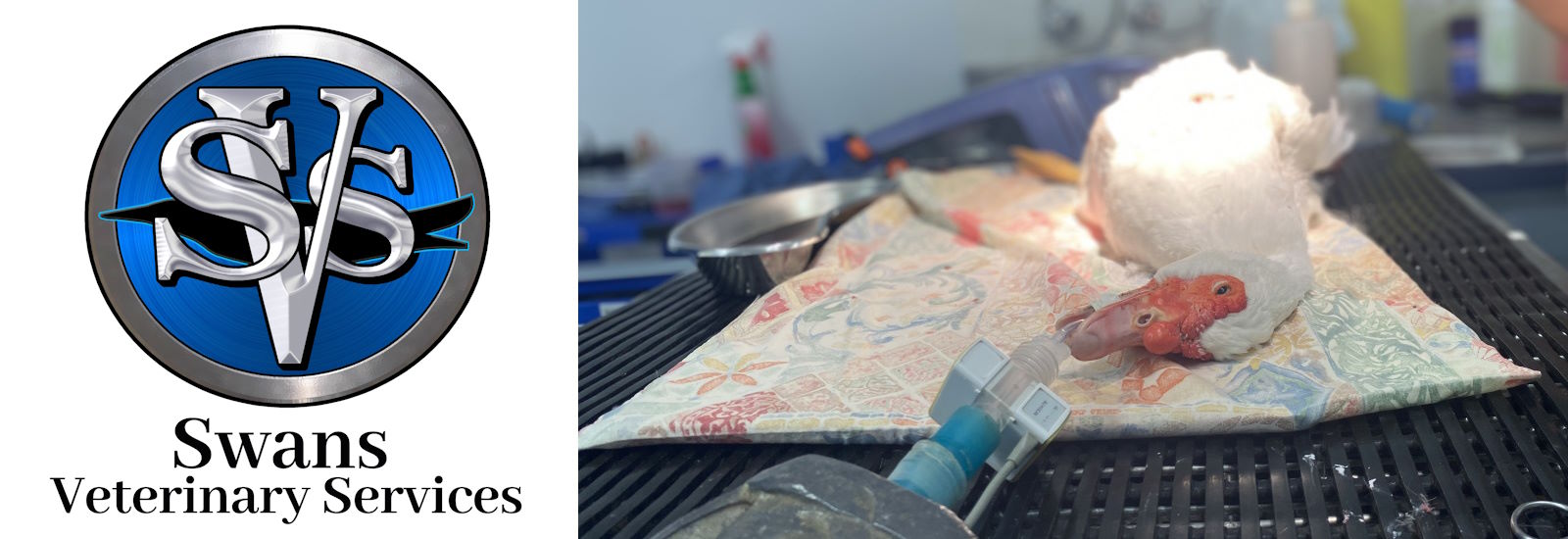
Our staff are experienced in anaesthetising all creatures great and small, including wildlife and exotics, and from neonates to geriatrics.
1. What is pet anaesthesia?
Pet anaesthesia is a medically induced state of controlled unconsciousness or sedation that allows us to perform various procedures safely. It ensures that your pet remains pain-free and immobile during surgeries or diagnostic tests.
2. Is anaesthesia safe for pets?
Yes, anaesthesia is generally very safe for pets. We take every precaution, including a thorough pre-anaesthetic evaluation, to minimize any risks. Our veterinary team is highly trained, and we use the latest equipment to monitor your pet’s vitals during the procedure.
3. How do you ensure my pet is safe during anaesthesia?
Before administering anaesthesia, we conduct a thorough physical exam and, if necessary, blood tests to check your pet’s overall health. During the procedure, your pet’s vital signs (heart rate, oxygen levels, blood pressure) are closely monitored to ensure they remain stable.
4. How does my pet prepare for anaesthesia?
Your pet may need to fast for 12 hours before the procedure, meaning no food but access to water. You’ll receive detailed instructions on how to prepare them prior to the day of surgery.
5. Will my pet be in pain after anaesthesia?
After waking up from anaesthesia, most pets feel some discomfort, especially if they had surgery. We will provide pain management medications to help keep your pet comfortable and monitor them closely during recovery.
6. What are the risks of anaesthesia for my pet?
While anaesthesia is safe for most pets, there are always some risks, especially if your pet has diagnosed or undiagnosed underlying health conditions. Your vet will discuss the level of risk with you prior to the procedure.
7. How long does it take for my pet to recover from anaesthesia?
The recovery time varies depending on the procedure and the individual pet. Most pets will begin to wake up within an hour or two, but they may be groggy for several hours. Full recovery can take 24-48 hours. We will give you instructions on how to monitor your pet after the procedure.
8. Can older or sick pets undergo anaesthesia?
Yes, older or sick pets can undergo anaesthesia, but extra precautions are taken. We may recommend additional tests, IV fluids or a modified anaesthesia plan to ensure their safety. Always feel free to discuss your pet’s specific needs with our team.
9. What should I do if I'm worried about my pet after their anaesthesia?
If you're concerned about your pet after their anaesthesia, the first step is to contact us. We’re always here to help and can give you advice based on your pet’s specific situation. In general, it’s normal for pets to be groggy or a little disoriented right after waking up, but if you notice anything unusual like difficulty breathing, excessive bleeding, or a drastic change in behaviour, it’s important to reach out right away. We’ll guide you on how to monitor your pet at home and whether a follow-up visit is needed. If it's outside of clinic hours and you’re feeling especially worried, seek emergency veterinary care immediately.
Your pet’s safety and comfort are our priority, and we’re here to support you through the recovery process.
10. Will I be able to stay with my pet during anaesthesia?
For safety reasons, we cannot allow owners to be present during the procedure. However, our staff will ensure that your pet is comforted and monitored closely throughout the process. We’ll update you on your pet’s status once they are recovery, or sooner if we need to discuss any change

